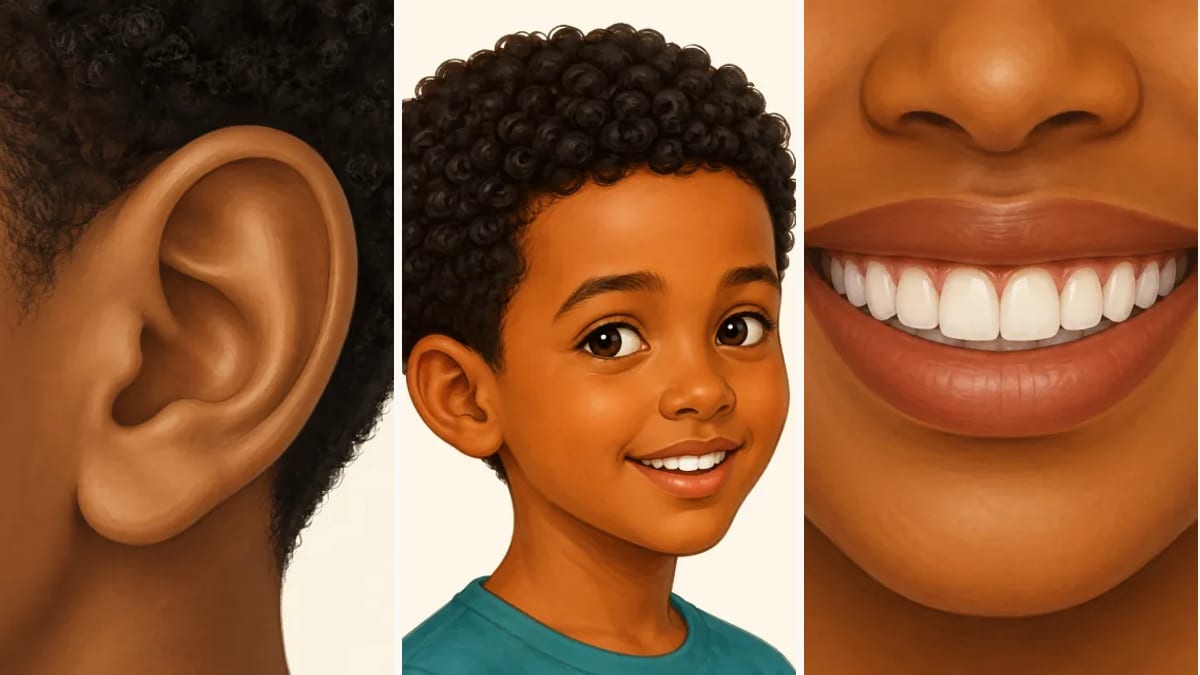
If you fix one thing in your child’s Somali, fix this. Somali vowels come in two lengths, short and long, and the difference is not decoration. It separates one word from another, and it is the first thing a Somali ear notices when a diaspora child speaks.
Two words, one letter apart
Say bar (teach) and baar (inspect, check). Same consonants, same stress. The only difference is how long you hold the “a”. In bar it is quick. In baar it lasts about twice as long. To a Somali speaker these are two different words with nothing in common, and both turn up in everyday sentences: Af-Soomaali i bar (teach me Somali) and Buugga baar (check the book).
Another pair: dhig (put down) and dhiig (blood). Buugga dhig means put the book down. Say it with a long “ii” and you have said something about blood. A child who cannot hear the difference cannot make it either, and that is the problem this post is about.
How the writing shows it
Somali has a simple, honest rule. A short vowel is written once. A long vowel is written twice.
- a / aa: laba (two) is short; aabo (father) is long
- e / ee: ey (dog) is short; geel (camel) is long
- i / ii: biyo (water) is short; bariis (rice) is long
- o / oo: orod (run) is short; hooyo (mother) is long
- u / uu: guri (house) is short; buug (book) is long
There are no accents and no silent letters. If you see two vowels, hold the sound. If you see one, keep it short. The rule is the same for every word in the language, and the spelling system adopted in 1972 writes it this way on purpose. If you want the full picture of the letters themselves, start with the Somali alphabet page or our post on the Somali alphabet explained.
Consonants can double too. Saddex (three), toddoba (seven) and siddeed (eight) all hold the “d” a beat longer, and deggan (calm) holds the “g”. Same idea: two letters, one held sound.
The family words are full of long vowels
The first Somali words most children learn happen to be a masterclass in vowel length.
Hooyo (mother) has a long “oo”. Aabo (father) has a long “aa”. Awoowe (grandfather) and aboowe (brother) both have a long “oo” in the middle. Ayeeyo (grandmother) has a long “ee”, and abaayo (sister) a long “aa”. Even adeer (paternal uncle) and eedo (paternal aunt) carry a long “ee”. Only abti (maternal uncle) is short all the way through.
This matters because these are the words a child says most, and says to the people who notice most. A grandmother hears “hoyo” instead of hooyo and knows straight away that the child learned the word from a screen or from English-speaking friends. Get the length right in these words and the child sounds Somali. The Family topic has all ten with native audio, and the page for hooyo has a recording you can play on a loop.
Short and long side by side
Here are common words sorted by length. Read each column aloud and feel the difference in your mouth: the long column takes noticeably more time.
| Short vowel | Long vowel |
|---|---|
| laba (two) | labaatan (twenty) |
| shan (five) | shaah (tea) |
| lix (six) | miis (table) |
| guri (house) | suuq (market) |
| rah (frog) | caano (milk) |
| sac (cow) | cagaar (green) |
| nal (lamp) | daaqad (window) |
| il (eye) | sariir (bed) |
| cun (eat) | buluug (blue) |
| kabo (shoes) | libaax (lion) |
Notice laba and labaatan. The word for twenty is built on the word for two, and the long “aa” is part of what makes it a different word.
Why English ears miss it
English has long and short vowels too, but it uses them differently. The vowel in “bit” and the vowel in “beat” differ in sound quality, not just duration. English speakers hear that difference as a change in the vowel itself. Pure length, the same vowel held longer, is not something English uses to separate words, so English-trained ears learn to ignore it.
A child growing up in Minneapolis or London spends most of the day in English. Their brain gets very good at English distinctions and quietly files vowel length under “not important”. Somali then arrives with the opposite rule. Nobody is doing anything wrong. The ear just needs new training.
There is a second thing the writing does not show: pitch. The word for boy and the word for girl are both spelled inan and differ only in where the voice rises. That is a story for another day, but it is one more reason to learn from listening rather than from letters alone.
Why text-to-speech gets this wrong
Many language tools now generate audio with a synthetic voice. For Somali this is a problem, and vowel length is where it shows first. A generic voice engine that was not built for Somali tends to treat “aa” either as two separate “a” sounds or as one short one. It also has no idea what to do with the throat sounds C and X, so caano comes out as “ah-no” and xanaaqsan (angry) loses its first letter.
A child who practises with that audio learns the wrong length, then has to unlearn it. This is why Luuqad records every word with a native Somali speaker and uses no synthetic speech at all. The model your child copies should hold hooyo exactly as long as a mother in Hargeisa or Mogadishu would.
Games that train the ear
Correcting a child every time they clip a vowel makes them stop speaking. Games work better, because they turn listening into the point.
Stretch the sound. Say a long-vowel word and pull your hands apart as you hold the vowel, like stretching dough: caaaano. Say a short-vowel word with a quick clap: biyo. Then let the child be the one stretching and clapping while you say the words.
Long or short. Say a word and have the child hold up one finger for short or two for long. Start with easy pairs from the table above, then move to trickier ones like laba and labaatan.
Listen and Tap. In the app, the Listen and Tap game plays a native recording and asks the child to tap the matching word or picture. Because the recording comes first and the spelling second, the child has to hear the length before they see the double letter. It is the closest thing to a grandmother saying the word and waiting.
Read the doubles. When your child reads Somali, have them run a finger under the word and hold every doubled letter. Saddex gets a long “dd”, hooyo a long “oo”. After a few weeks the finger is no longer needed.
One rule, two lengths, and a lifetime of being understood. Every Somali word your child learns will be built on it.
Frequently asked questions
What is the difference between bar and baar in Somali?
Bar means teach and baar means inspect or check. The only difference is the length of the vowel, which is why Somali writes the long one with a double letter.
How are long vowels written in Somali?
By doubling the vowel letter: aa, ee, ii, oo, uu. Hooyo (mother) has a long oo, and biyo (water) has a short i.
Why does my child say hoyo instead of hooyo?
English does not use vowel length to tell words apart, so English-trained ears skip over it. Listening games with native audio fix this faster than correction does.
Try Luuqad with your child tonight
Ten minutes. Real voices. 4.6 stars on the App Store.
Written by Luuqad team. The people who make Luuqad. Illustrations from the Luuqad app.